Geneva, Switzerland — 27–29 June 2026
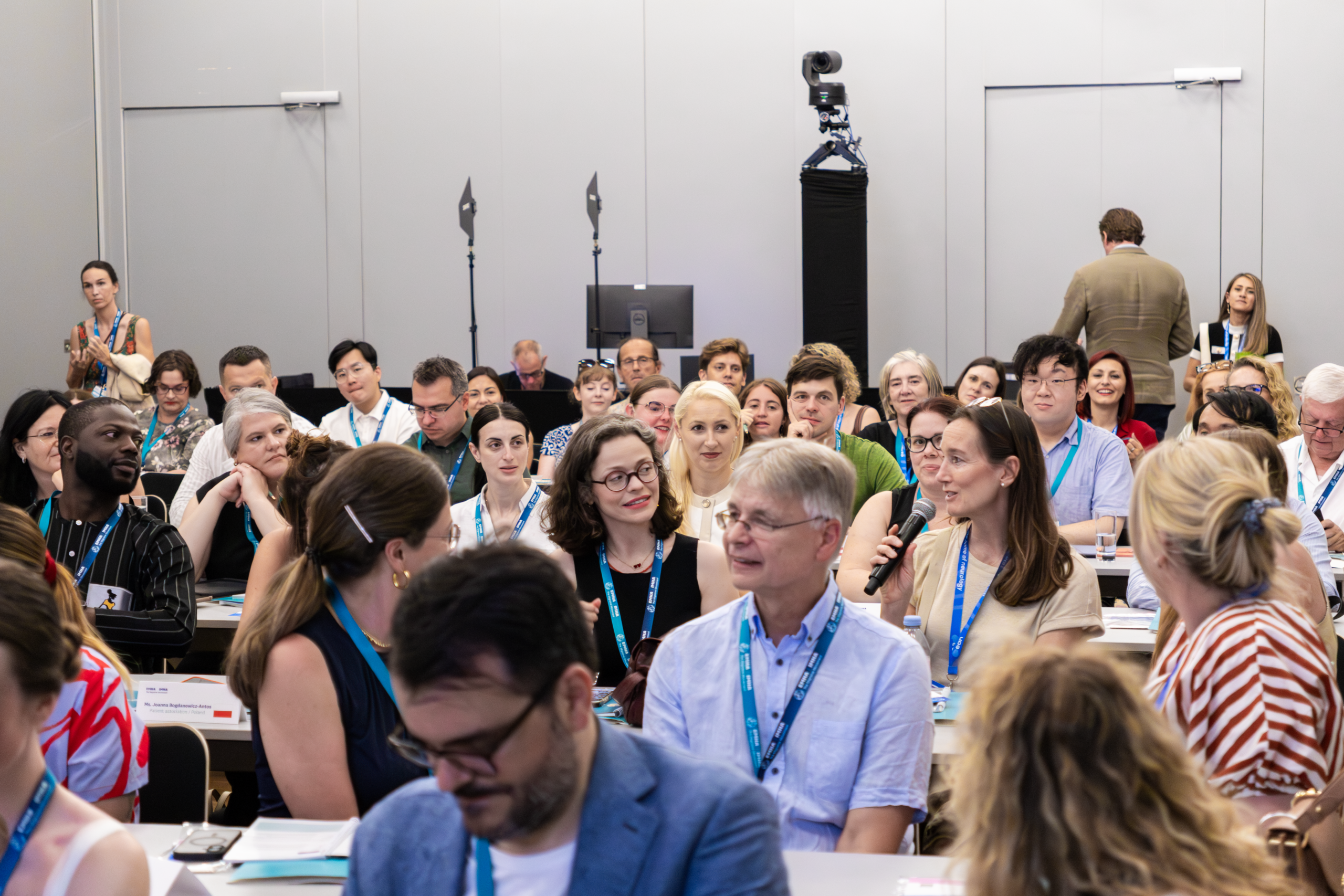
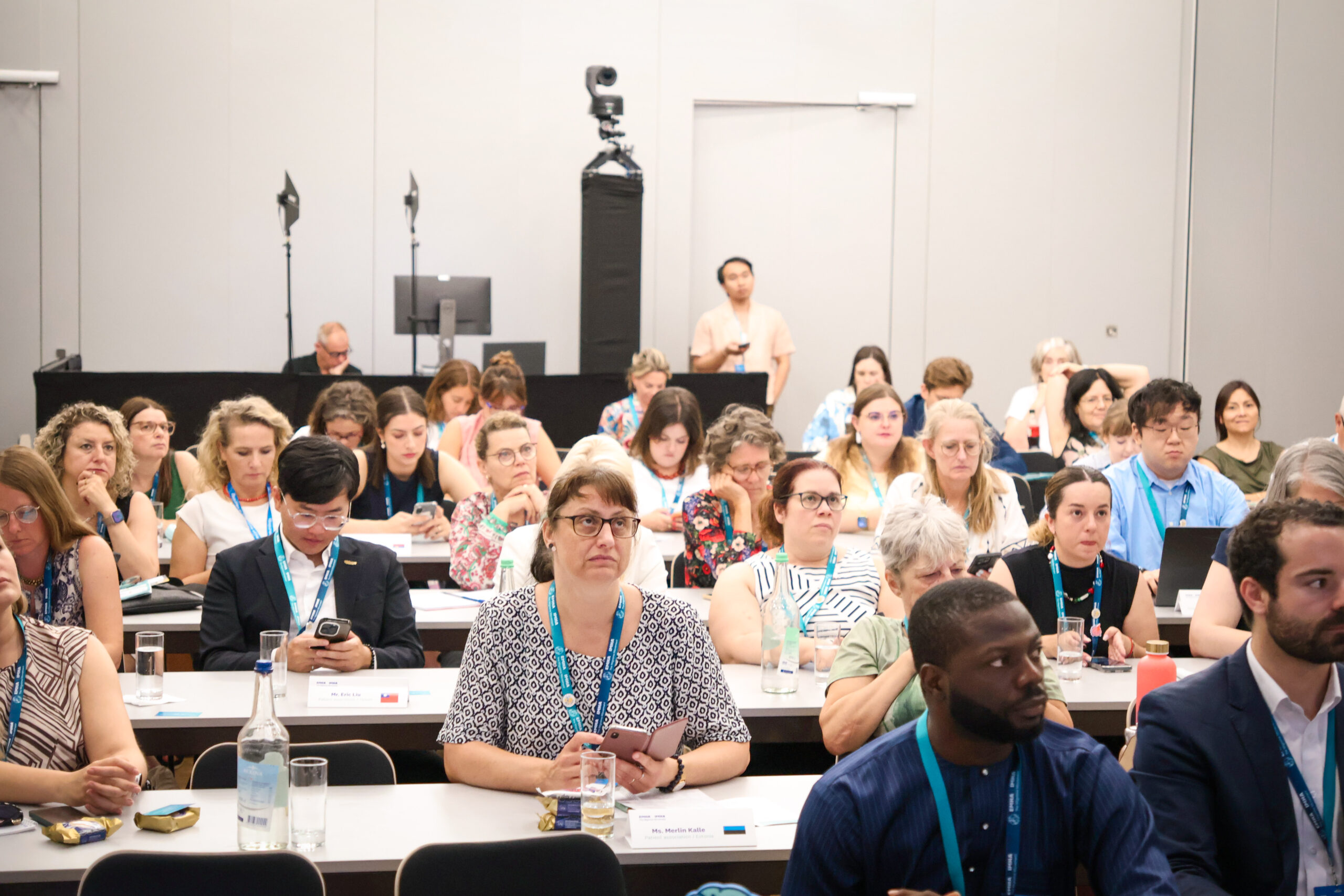
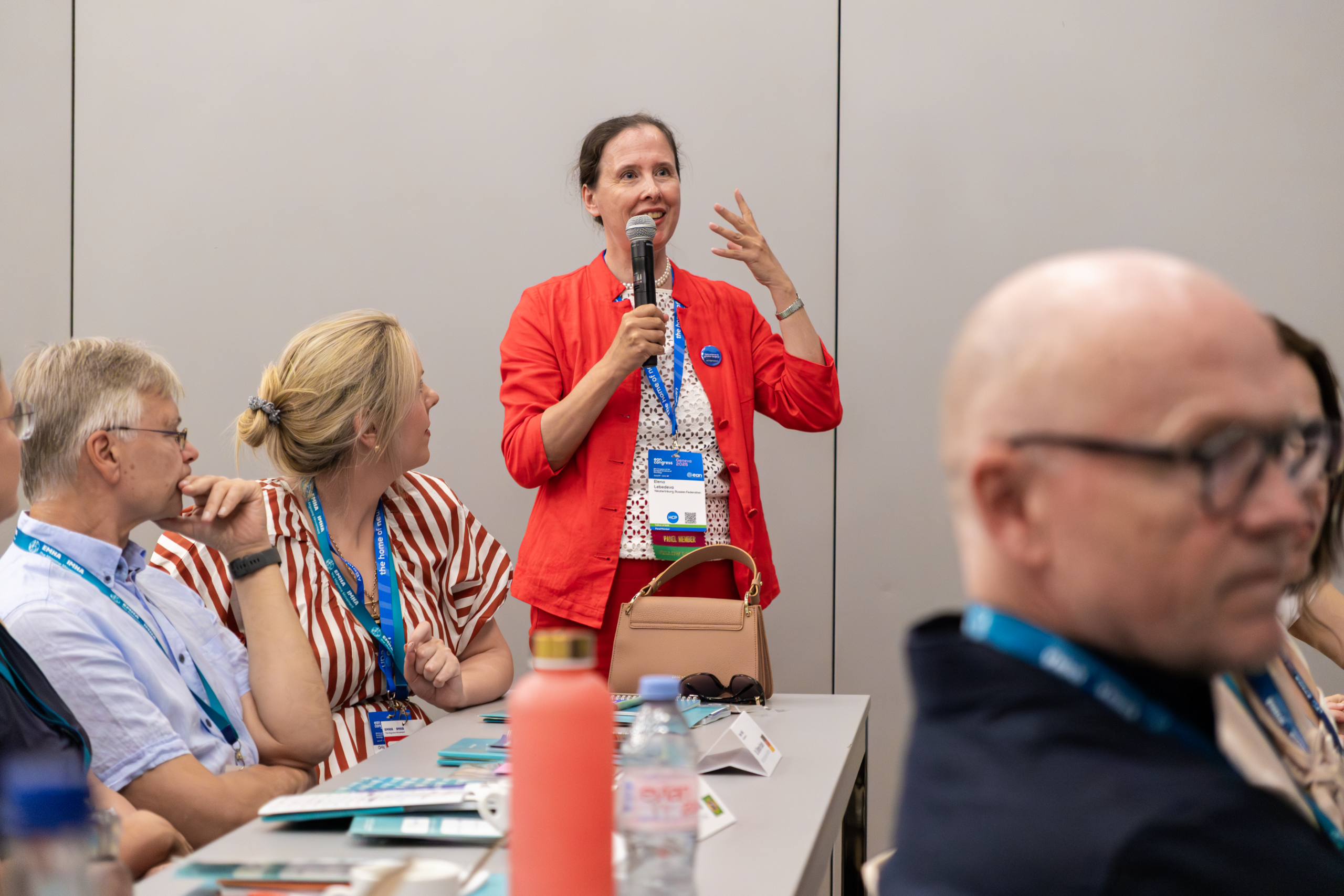
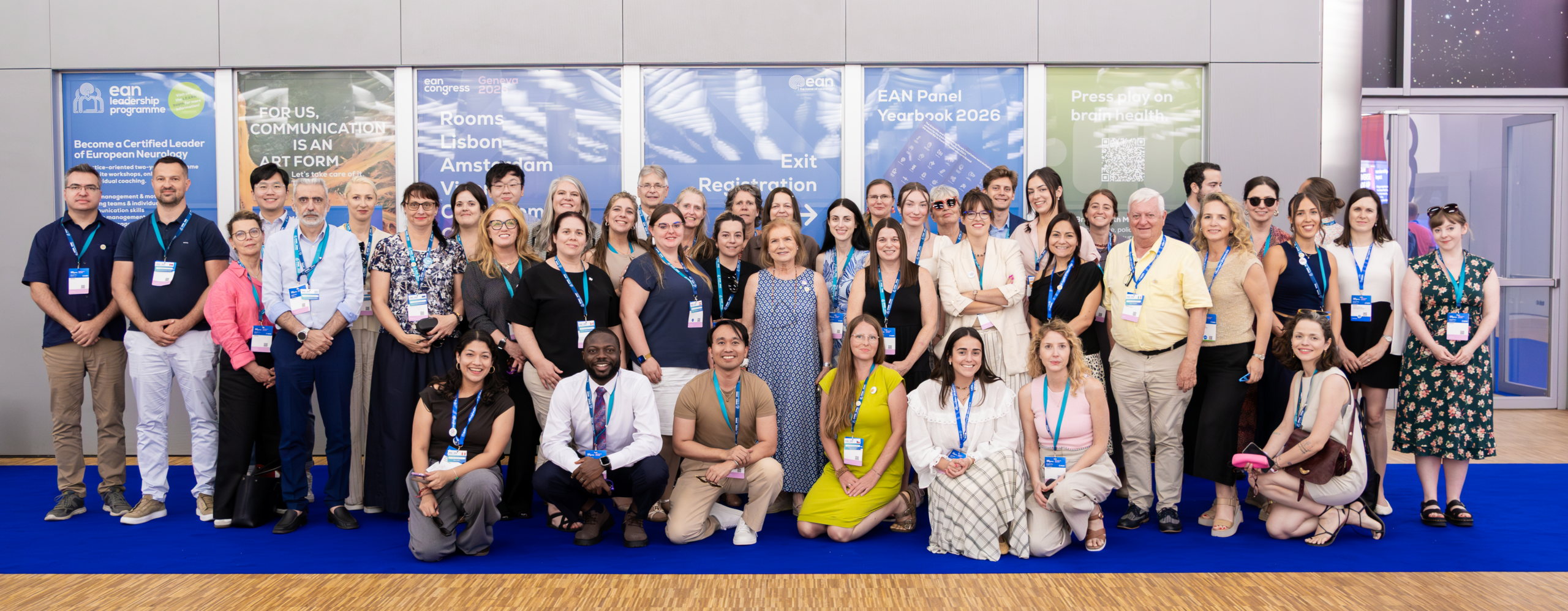
The fifth edition of the Migraine and Headache International Patient Associations Summit (MHIPAS) brought together 70 attendees and 37 patient organisations from 29 countries in Geneva, held alongside the EAN Congress 2026. Over three days, patient advocates, researchers, and international institutions came together to strengthen a growing movement: one determined to see migraine recognised as the serious public health issue it is.
Day One: Opening the Dialogue Between Science and Advocacy
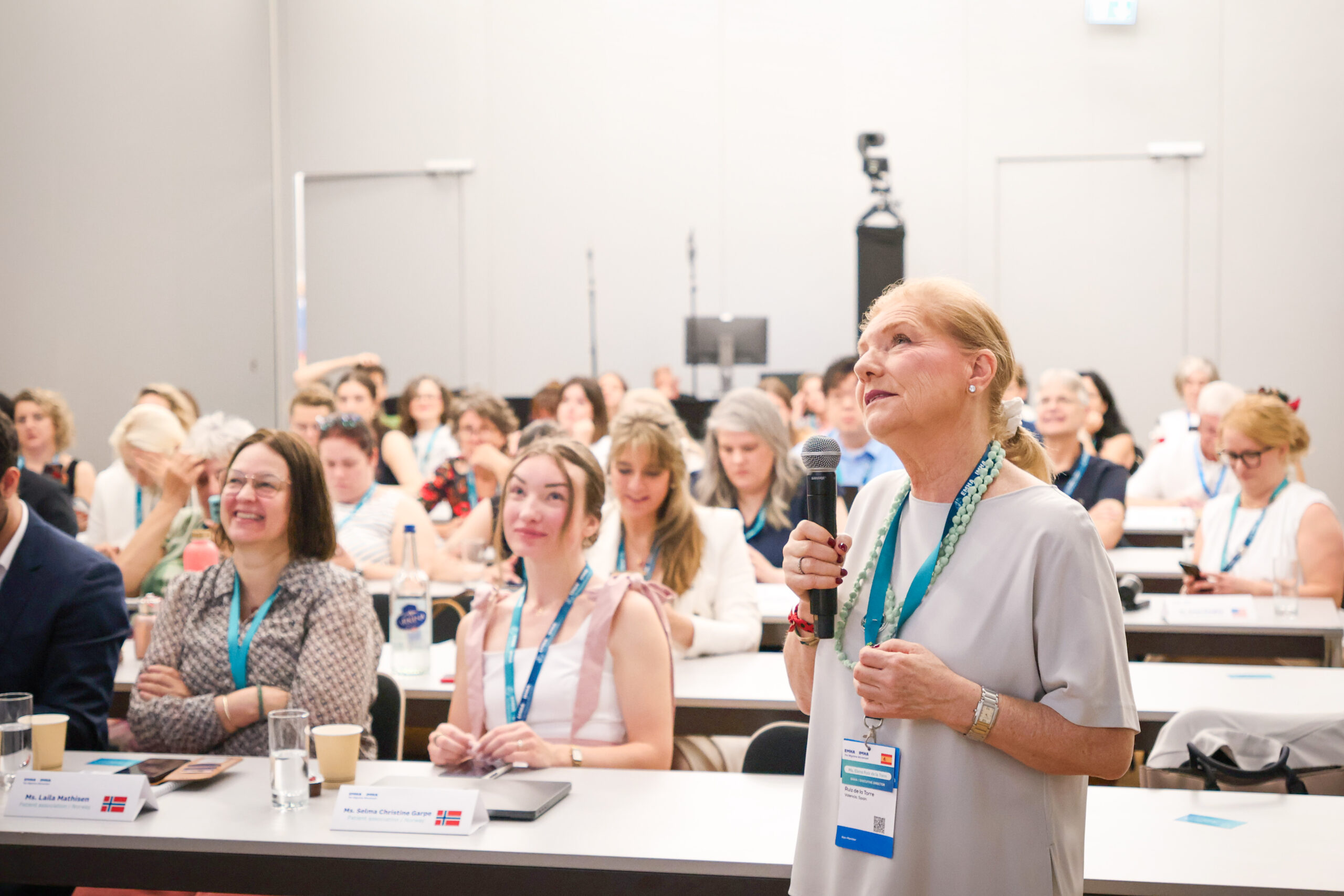
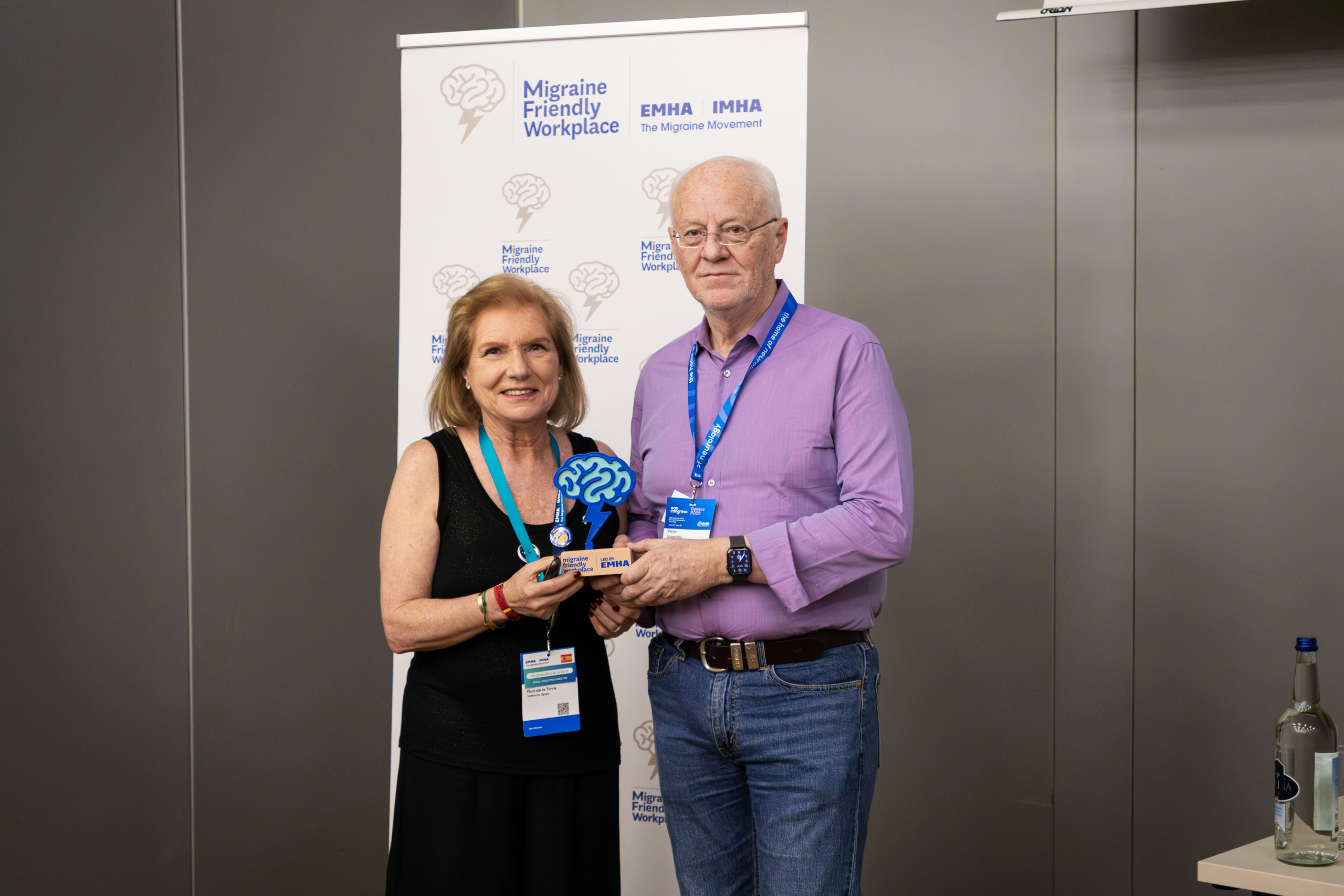
The summit opened with remarks from Prof. Elena Moro, EAN President, and Ms. Elena Ruiz de la Torre, EMHA Executive Director, setting the tone for a summit built on collaboration between science, policy, and patients.
The scientific programme began with a roundtable on tension-type headache led by Dr. Cherubino Di Lorenzo. Prof. Paul Boon, Co-Chair of the Brain Health Mission and former EAN President, followed with the Mission’s work to elevate brain health — including migraine — as a global priority. Prof. Peter Goadsby then presented a session on brain imaging, offering attendees a closer look at how migraine affects the brain.
The day closed with a session on the “One Neurology” initiative from Dr. Orla Galvin, EFNA Executive Director, followed by the EAN Congress Opening Ceremony and a welcome reception.
Day Two: Patient Voices at the Centre
Sunday’s scientific programme placed patient experience and emerging science side by side. Dr. Patricia Pozo-Rosich presented new results from the EMHA Women in Migraine study, while Prof. Lars Edvinsson addressed hormonal migraine in women.
Patient representatives Ms. Shirley Kessel (Miles for Migraine) and Ms. Susan Doughty (CHAMP) introduced a proposed agreement on how to talk about migraine — a small but meaningful step toward more accurate, less stigmatising public conversation.
The heart of the day was the Patient Associations best practices exchange, where advocates from around the world shared how they are pushing for change nationally:
- Mr. Olarinde Akinwumi — Migraine Outreach, Nigeria
- Mr. Costas Bilias — Greek Migraine & Headache Patients Society
- Ms. Susan Doughty — CHAMP, US
- Ms. Gusta Timmerman — Hoofdpijnnet, The Netherlands
- Ms. Antonia Cancino — Club de la Migraña, Chile
The day continued with a workshop on the MAPGrain initiative and closed with a session on safety in combined migraine therapy led by Prof. Dimos Mitsikostas.
Day Three: Taking the Conversation to the World Health Organization
The final day brought the summit’s advocacy work to its sharpest point: a roundtable with patients, science, and the World Health Organization. Ms. Catarina Mastellaro (WHO Foundation), Dr. Patricia Pozo-Rosich, Mr. Mario Ottiglio (Eleveya), and Ms. Elena Ruiz de la Torre discussed what it will take to move migraine higher on the global health agenda.
Ahead of the discussion, patient associations were surveyed to understand where the movement stands today. The results offered a clear picture of the road ahead:
- Migraine is not yet fully seen as a priority in many places, so advocacy may need to lead with recognition before moving to specific policy asks — while in other places, migraine is already recognised, but government channels for advocacy remain less established, pointing to a need for contact-mapping.
- Early diagnosis and treatment access stand out as the main patient pain points, suggesting the strongest policy case is faster, better-connected care pathways — not cost alone.
- Many associations are ready to approach health authorities, but a sizable group still needs help finding the right contact.
- Where recognition has already been achieved, national strategy inclusion and GP education emerge as the next most useful levers.
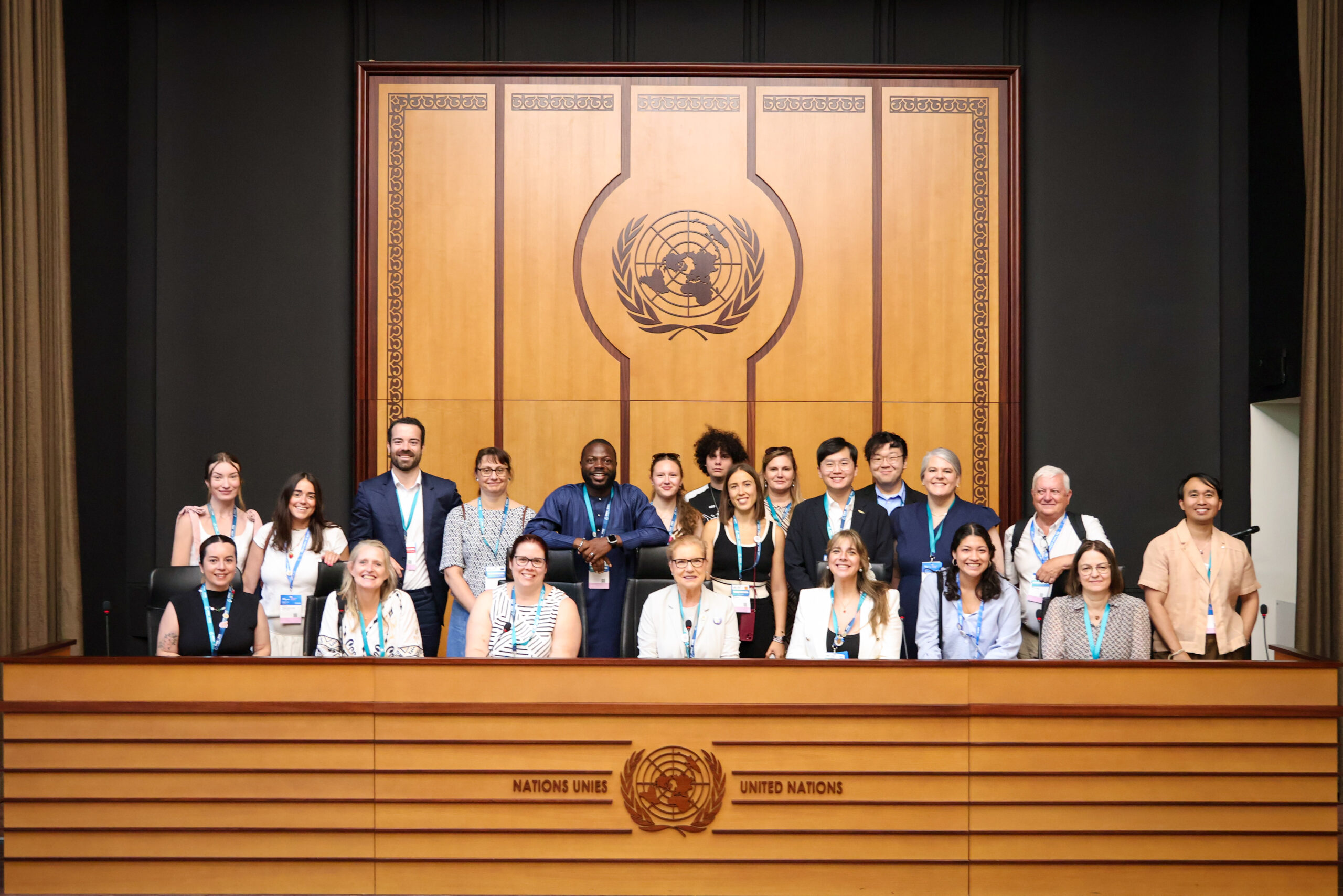
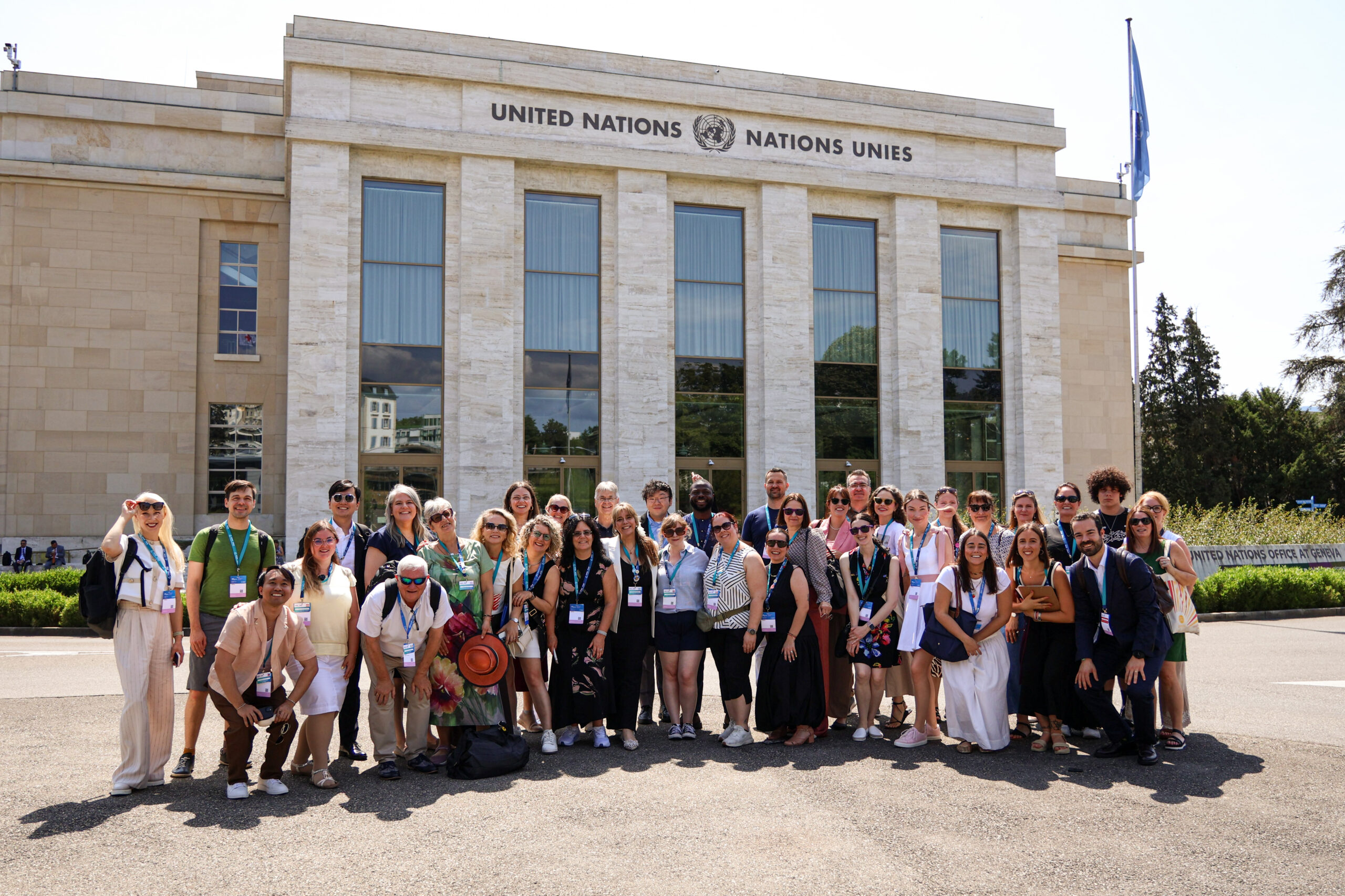
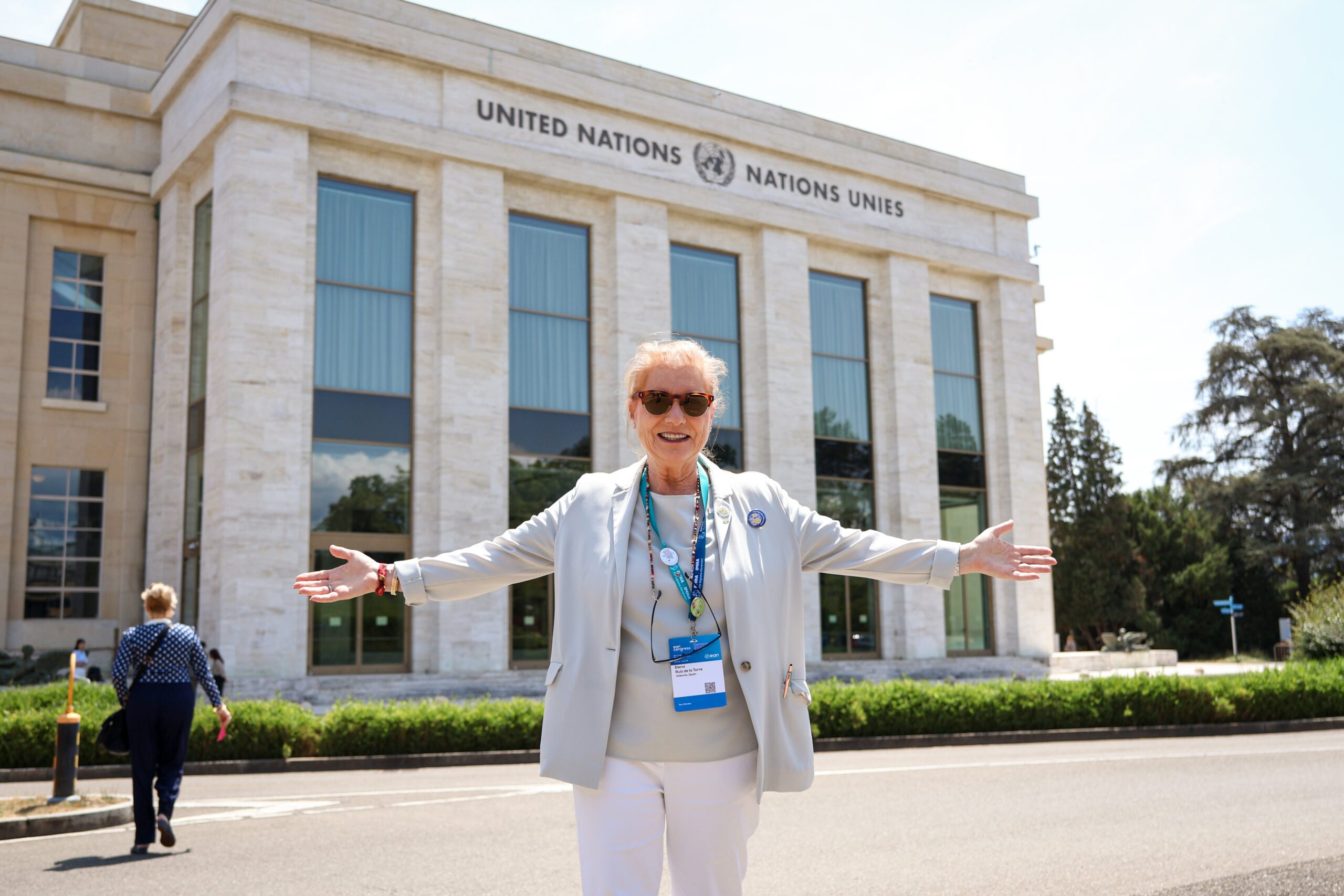
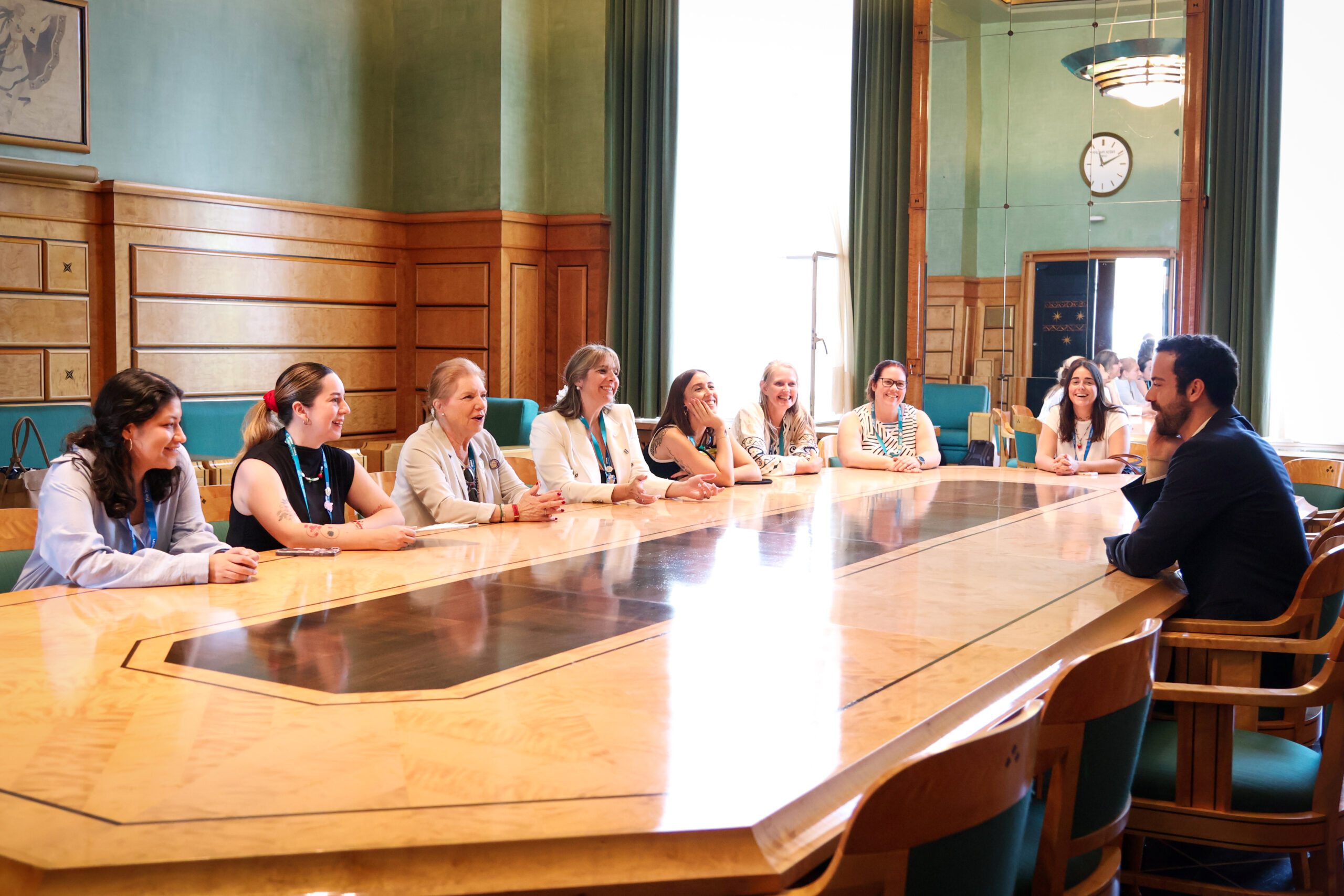
Patient association representatives then had the opportunity to visit the Palais des Nations — the United Nations headquarters in Geneva — a moment that underscored just how far the movement has come, and how far it still has to go.
What #MHIPAS2026 Leaves Behind
MHIPAS 2026 was not just a summit — it was a demonstration of what a united patient community can achieve when science, advocacy, and lived experience meet in the same room.
The message coming out of Geneva is clear: migraine must be recognised — and included — in the Neurological Health Strategy, not as a footnote under “headache disorders,” but as a serious public health priority with a dedicated plan of its own.
We leave #MHIPAS2026 more united and more committed than ever to the next steps of that strategy: raising migraine with our Ministries of Health and national WHO delegations, and closing the gap on early diagnosis and treatment access that patients continue to face.
Every roundtable, every summit, and every shared story brings migraine one step closer to the recognition it deserves.
#TheMigraineMovement